 Book
Book 


Articles
April 29, 2026
The best moments of the winter season
The sun is warming the fir trees. The snow is melting, giving way to flowering pastu…
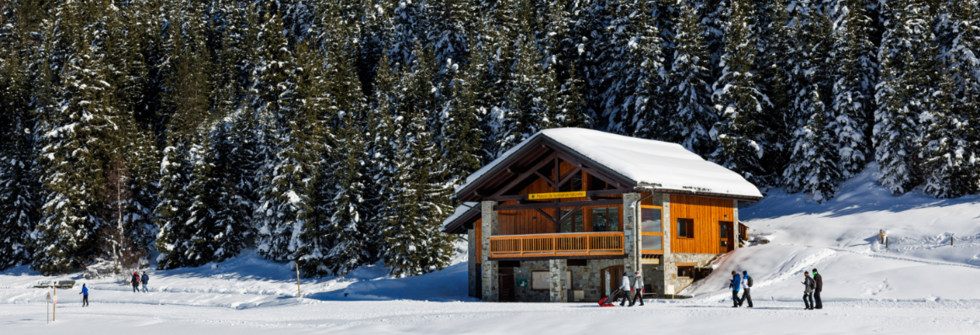
An exhibition on the wildlife and flora of the reserve, family-friendly activities galore, the Maison de la Réserve awaits you right at the heart of Plan de Tuéda.
Completely redesigned this season, the exhibition now covers the full biodiversity of the site: wildlife, flora, the water cycle, the glacier, and the history behind the reserve’s creation.
Thibaut, a nature guide with a passion for ornithology, is on site all summer to lead activities for families and children: creative workshops centred on biodiversity, a photo rally around the lake, and guided walks with binoculars. A lovely invitation to discover the reserve by his side

Versatile nature guide with a passion for ornithology

The entire set design has been reworked, with the whole interpretive trail and the interactive area redesigned and streamlined. Unlike previous seasons, which focused on a few specific species, we decided to widen the scope to better reflect the full diversity found in the reserve.
So you’ll find the key information on the reserve’s wildlife and flora, the water cycle, the glacier, and the history of how the reserve came to be.
It’s not just one or two species in the spotlight. Plenty of species are featured: the black grouse and the spotted nutcracker among the birds, along with insects, an alpine dragonfly (the Alpine emerald), the ptarmigan, the mountain hare, the marmot, and the ibex. As for the flora, the main focus is on the Swiss stone pine and the twinflower, a small forest plant.
As I mentioned, there’s no single species in the spotlight this year, it’s all been streamlined, and the activities cover the reserve’s species as a whole.


We tried to split things roughly in half: creative workshops tied to biodiversity, and a more discovery-and-learning focused side around birds and mammals.
We’re also running a photo rally: a walk around the lake with a set of photos, and the goal is to figure out where each one was taken. It’s a great way to explore the site while getting people to look down, look up, and really pay attention to their surroundings.
I also lead a guided walk every Thursday morning, about an hour long, to spot the reserve’s birds with binoculars.


Yes, early morning or late in the day. Around midday there are still birds around, but they’re much less active. In the morning or late afternoon, you can hear them singing and see them flying, before it gets too warm. For the large soaring raptors, midday and early afternoon tend to work better, but early morning is still your best bet overall.
As for the best time of the season, early summer is ideal. By August and September, they’ve already started moulting, which takes a huge amount of energy, so they’re less active during the day.
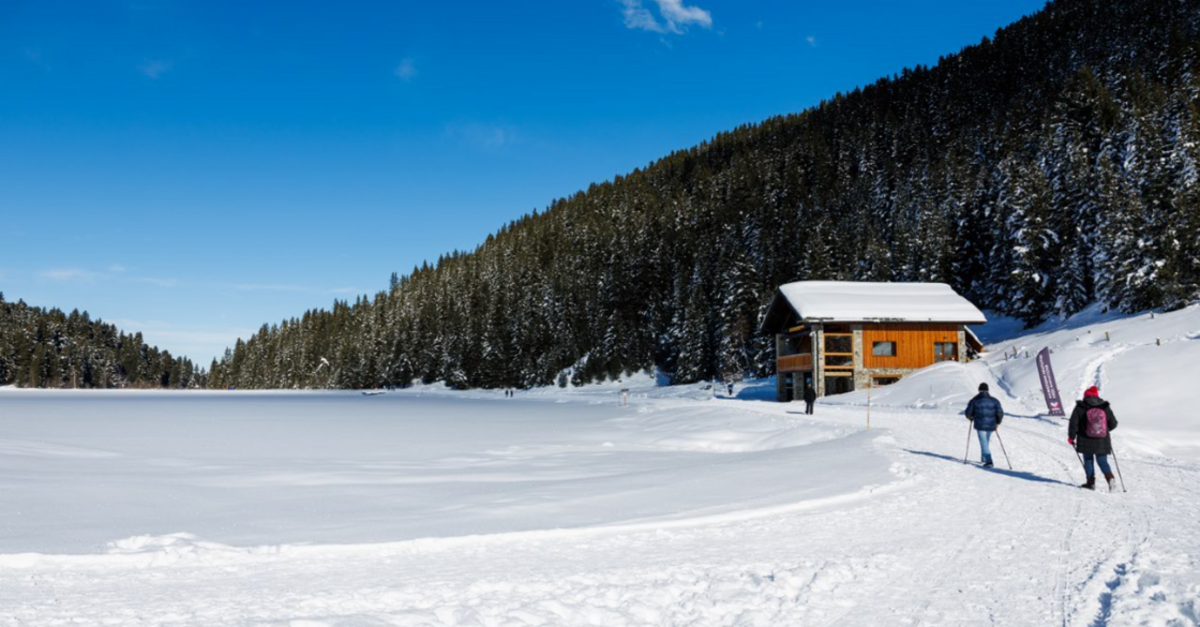
Take shuttle line D and get off at “Le Châtelet,” head towards Lac de Tuéda, walk for about ten minutes, then enter the Maison via the first floor.
The exhibition and activities are free, no booking required, and open to everyone. Please note that children must be accompanied by an adult.
The best moments of the winter season
The sun is warming the fir trees. The snow is melting, giving way to flowering pastu…
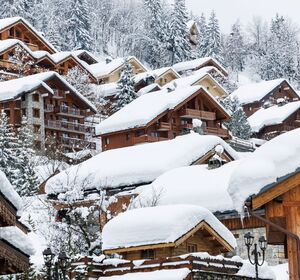
A ski holiday in the heart of Les 3 Vallées
Welcome to the heart of the world’s largest ski area!

The Art of Après-Ski in Méribel
The day is drawing to a close, the sun is setting behind the ridge and you have disc…
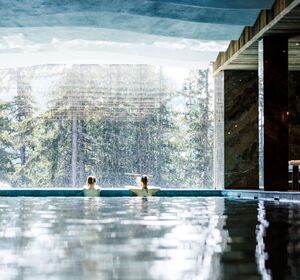
A relaxing break in Méribel
Winter in the mountains isn't only about hurtling down the slopes!