 Book
Book 


Articles
April 29, 2026
The best moments of the winter season
The sun is warming the fir trees. The snow is melting, giving way to flowering pastu…
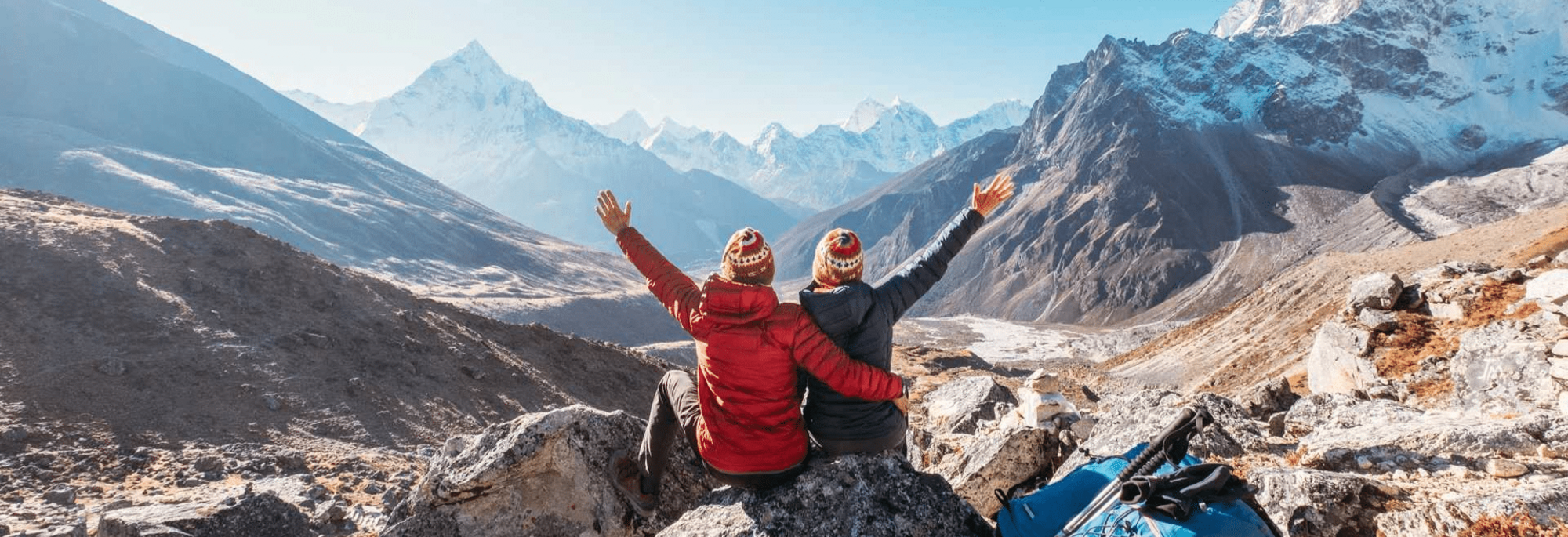
Mountain hiking offers you that little something extra – an escape from everyday routine, amazing panoramic views, unexpected encounters – that make you want to go again and again.
It simply requires a bit of planning and care – habits that quickly become second nature once you’ve got the hang of them. Route, equipment, weather, pace: here are our top tips before you set off, to ensure a successful mountain walk.
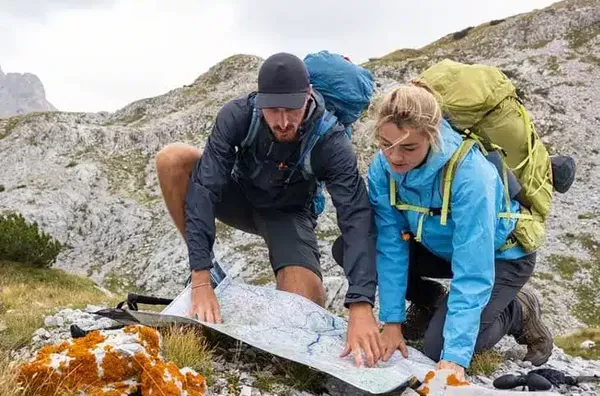
The classic pitfall is confusing the distance shown on a map with the actual distance of the trail, which winds, climbs, descends and climbs yet again. A 600-metre elevation gain concentrated in the first third of the route is nothing like the same ascent spread out over the whole day, or even at the end of the route, and your body will react differently to these different elevation profiles.
Hiking apps generally display this elevation profile in detail, showing the ups and downs throughout the route and highlight challenging sections. They also allow you to download a GPX file so you can follow the route even without a phone signal.
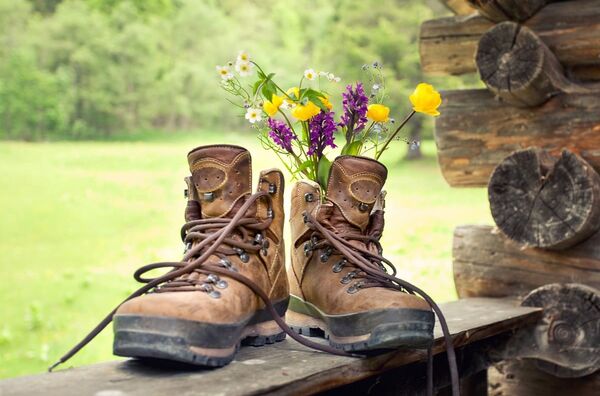
As we all know, having the right walking footwear makes all the difference. Opt for boots that give ankle support on uneven terrain, with a Vibram-style sole, renowned for its exceptional grip on challenging terrain (rocks, mud, wet paths, etc.)
As for clothing, much depends on conditions on the day, but the three-layer system remains the best approach. A base layer wicks away sweat, a mid-layer insulates against the cold, and an outer layer protects against rain and wind.
Don’t forget your walking poles! They really take the strain off your knees on descents and help your balance on slippery terrain.

Your rucksack is another essential to take seriously; if it’s not adjusted properly, you’ll soon feel the strain on your back or shoulders. As for capacity, it depends on the type of outing:
For a day trip, always add a head torch, rain jacket, power bank, water and some snacks to your rucksack.
A quick message before you set off, including your planned route, estimated return time and a contact number, takes only a couple of minutes and could make all the difference if something goes wrong. If a search needs to be launched, it is better to have given specific details than a vague “I’m hiking in the so-and-so area”
You’re ready for the off, the weather’s beautiful and a glorious day in the mountains is finally beginning. However, in the mountains, a storm can blow up fast. We recommend checking a specialist mountain weather forecast beforehand – these are generally much more accurate than standard forecasts – to anticipate any sudden changes.

Whatever people may say, a GPX route downloaded in advance solves a lot of problems, provided you have a power bank to avoid panic when your battery drops to 3 per cent in the middle of nowhere.
During the walk, trail markings remain the most reliable guide: short walks are marked in yellow, long-distance walking paths in red and white, or sometimes red and yellow.

The local wildlife is constantly watching you, and may show itself if you treat it with respect. You don’t need attract a curious marmot with a bit of your sandwich (however tempted you are) as this is not kind to the animal; it could damage its health more than you realise. If it ventures towards you, simply stand still and let it move on at its own pace. This will make for a much better memory, without you having disrupted its daily life.
To find out more on this topic, we invite you to read our article on respecting the mountains while on our trails.
Firstly, there’s no shame in turning back, as the famous explorer Mike Horn puts it so well: “The reward isn’t the summit; it’s getting back down alive.”
Even without going to extremes, there are signs that may make you decide to go back: deteriorating weather, falling seriously behind schedule, or terrain that’s becoming more exposed than expected. Knowing when to turn around is not failure; it’s sometimes the wisest choice to make when facing the mountains.
Make the most of your mountain walking adventure is, ultimately, the best advice we can give you! All this might give the impression that a hike needs to be prepared for like an expedition, when in fact the essentials remain the same: walking, enjoying the surroundings, and letting yourself be surprised by what the adventure has in store.
So, admire the scenery unfolding before you, let your feet carry you along, and savour the joy of walking in the great outdoors.
The best moments of the winter season
The sun is warming the fir trees. The snow is melting, giving way to flowering pastu…
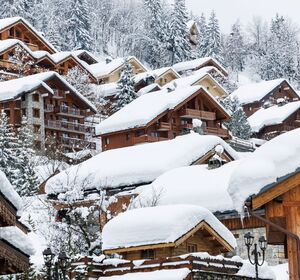
A ski holiday in the heart of Les 3 Vallées
Welcome to the heart of the world’s largest ski area!

The Art of Après-Ski in Méribel
The day is drawing to a close, the sun is setting behind the ridge and you have disc…
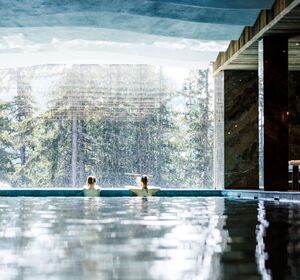
A relaxing break in Méribel
Winter in the mountains isn't only about hurtling down the slopes!