 Book
Book 

 1
1
Bring back down everything you carry up
Take home litter and all food waste, without exception.
The Méribel valley is well preserved, and this is no accident. This unique and much-loved area remains unspoiled, thanks to all our visitors who treat it with due respect.
Adopt a few simple habits, learn a little about the terrain, and our mountains will continue to offer all their natural beauty to future visitors.
1
 2
2
 3
3
 4
4
 5
5
 6
6
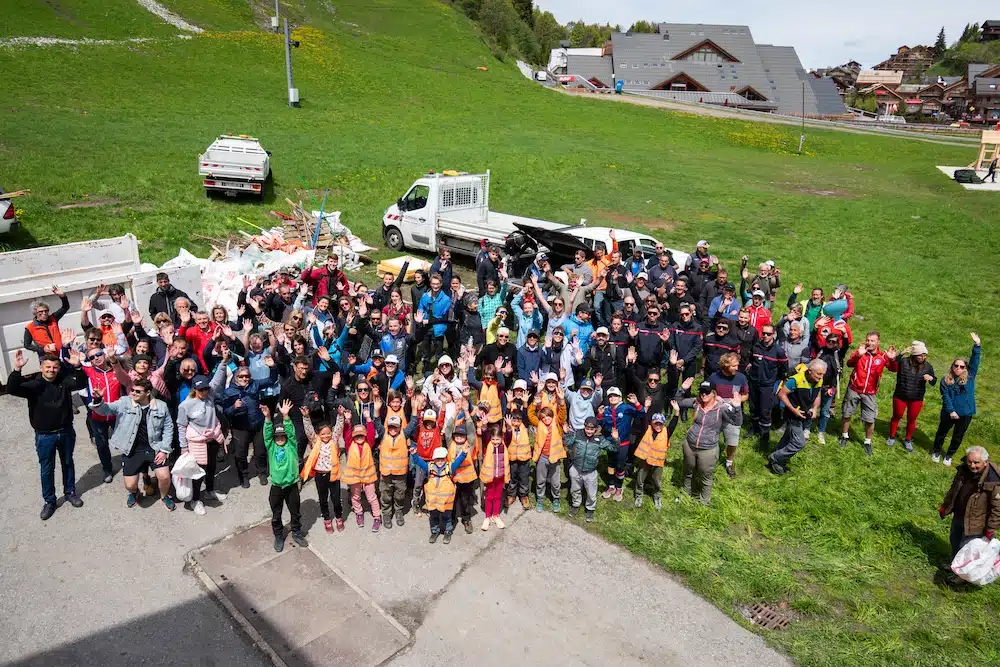
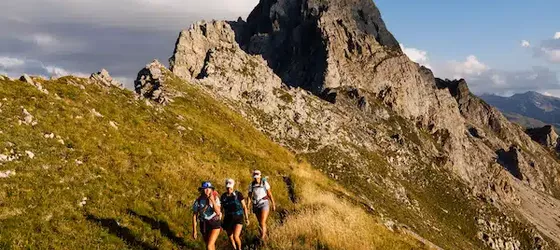
The rule is simple. Everything that goes into your rucksack must come back down: rubbish, packaging, food scraps – without exception. Although there are several mountain refuges in the valley, they are not equipped to collect walkers’ rubbish. The solution is simple: pack a small bin bag for this purpose before you set off.
A small point that may come as a surprise: even waste we might think acceptable to leave behind may take years to decompose at high altitude. A piece of fruit peel seems harmless. However, in a mountain environment, the decomposition process is much slower than at lower altitudes and can take years. In the meantime, these remains attract wildlife, spoil the landscape and disrupt natural cycles.

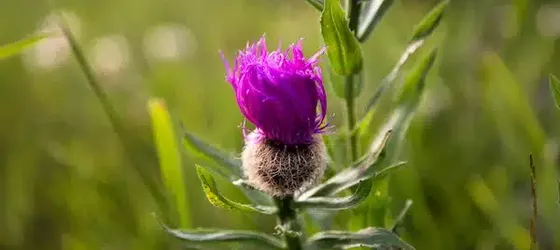
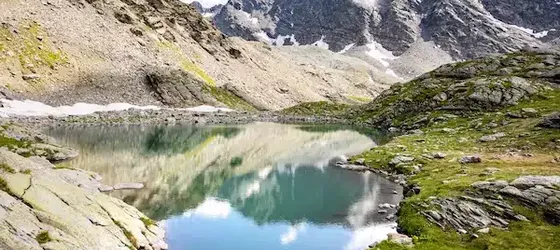
The alpine flora you’ll see around Méribel is exceptionally rich. On the valley’s paths and in the Vanoise National Park, you’ll come across iconic plants such as edelweiss, Turk’s cap lilies and snow gentian, but also treasures found almost nowhere else: the Mont Cenis pansy, endemic to the Vanoise mountain pastures, or the Alpine columbine with its elegant star-shaped blue flowers.
There are around 1,700 plant species in the massif, representing a third of France’s flora on less than 0.5% of its territory. This diversity is protected, and the rule is simple: admire or photograph, but do not pick.
We know the temptation to venture off the marked trails and explore areas where no one has trodden. But repeated off-trail walking causes erosion that can take decades to repair. The mountain pastures bordering the trails are the resource of local farmers; trampling the vegetation has an effect on their livelihood.
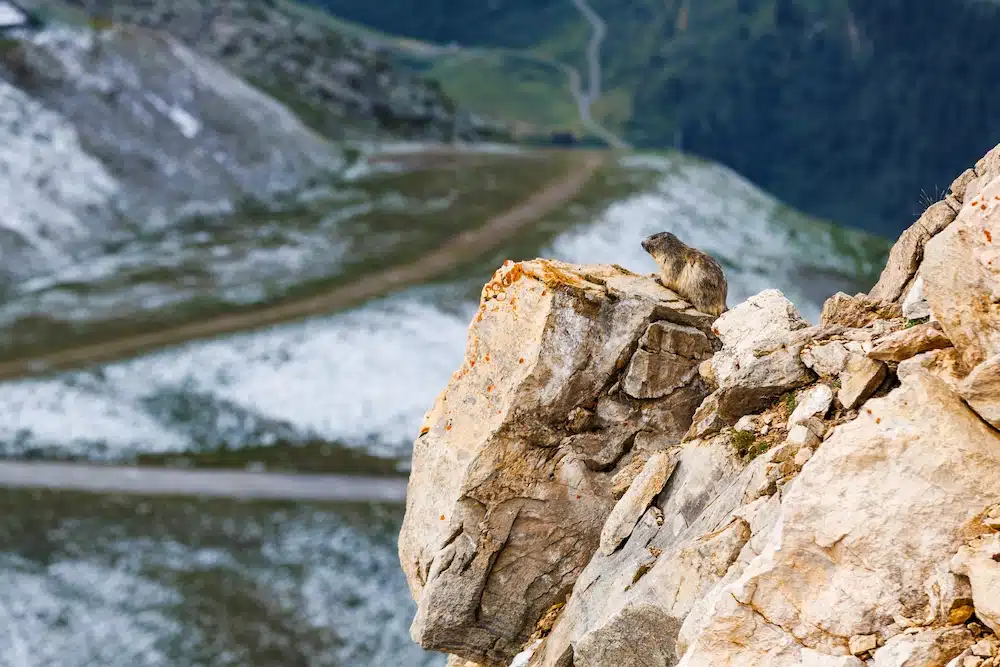
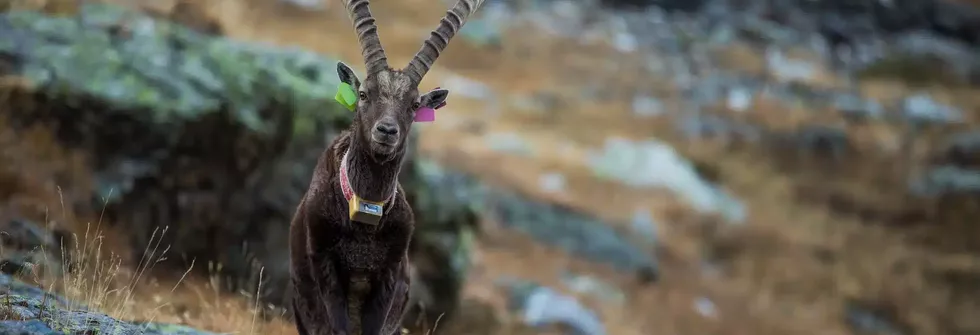
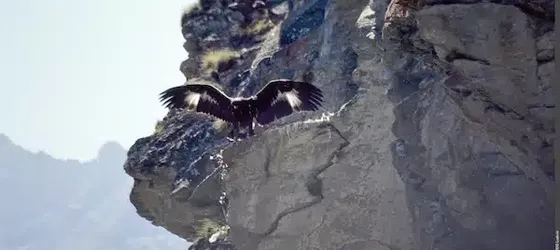
Chamois, ibex, marmots, golden eagles – Méribel’s wildlife is exceptional and deserves to be treated with the utmost respect. Let’s not forget that while the mountains are our playground, they are, more importantly, home to the wildlife. Try to avoid loud noises, observe from a distance, and above all, never feed the wild animals. Even when a marmot approaches of its own accord with its adorable little face… Feeding them disrupts their natural diet and can seriously harm their health.
A word about the Patous, those large white dogs you sometimes come across on the trails protecting their flocks. A Patou will naturally bark; it’s his way of announcing that he’s on guard and warning of danger. Not you specifically, just anything that approaches his flock. The right approach is simple: don’t run, avoid sudden movements, walk around the herd at a safe distance and, above all, never stand between the dog and his herd. With these sensible precautions, you’ll enjoy a trouble-free encounter which will make for a great story to tell back at the refuge in the evening.
You arrive in the valley, the sky is a pristine blue, there’s not a cloud in sight, only a golden eagle soaring in the distance. It’s hard to imagine that this scene could change in minutes. It is strongly recommended that you check a specialist mountain weather app before setting off (and keep an eye on it during your outing!)
When it comes to kit, certain items are essential, such as walking boots, high-factor sun cream, a lightweight jacket in your rucksack and, of course, plenty of water. If you wish to explore the high mountains or undertake more technically-challenging outings, the Méribel mountain guides are your best option. Thanks to their knowledge of the terrain, they can read the weather better than any app and will take you to the most beautiful spots in safety.
Méribel lies on the edge of France’s first national park, established in 1963 to protect the then endangered ibex. The Vanoise covers 53,000 hectares of unspoilt nature in the high Maurienne and Tarentaise valleys. It is an exceptional setting, and one protected by regulations. These are worth knowing so you can enjoy the park without causing any damage.

Good news for lovers of sleeping under the stars: bivouacking is permitted in the heart of the Park! However, you cannot pitch your tent just anywhere; bivouacking is only permitted in the immediate vicinity of certain mountain refuges during the summer months. Pre-booking is compulsory and we advise you not to leave it too late: in high season, places go fast.
If the weather decides to turn bad, the refuges’ dining areas welcome everyone without exception. In practical terms, a night’s bivouac at altitude offers a starry sky for a ceiling and a refuge within easy reach should you need it. We’ve seen worse camping conditions! To find the relevant refuges and plan your bivouac, the Vanoise National Park website is the go-to resource.
Taken individually, these actions may seem insignificant. But when multiplied by the thousands of walkers who use these trails every summer, little details end up making a big difference.
Of course, none of this prevents you from enjoying the mountains to the full – quite the opposite. Those who hike in silence, who observe without disturbing, and who leave without leaving a trace, often enjoy the most authentic experience. And perhaps that is the secret to the finest walking: the mountains reveal themselves differently to those who respect them.
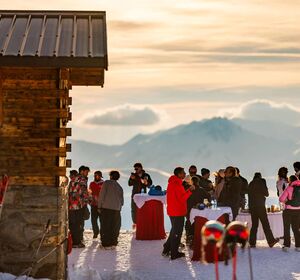
The best moments of the winter season
The sun is warming the fir trees. The snow is melting, giving way to flowering pastu…
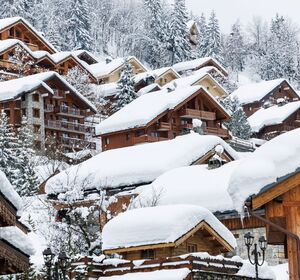
A ski holiday in the heart of Les 3 Vallées
Welcome to the heart of the world’s largest ski area!

The Art of Après-Ski in Méribel
The day is drawing to a close, the sun is setting behind the ridge and you have disc…
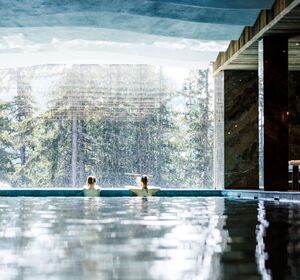
A relaxing break in Méribel
Winter in the mountains isn't only about hurtling down the slopes!